



Activity Instruction Page
💡 Tip: When the print window opens, change the destination dropdown to ‘Save as PDF‘ to download this guide.
Pollution
- Activity Type: Hands-On Activity
- Theme: Ocean Animals Under the Sea
- Learning Center: Science & Discovery Center
Set out 2 jars or bowls of water. Add a few mini sea creatures, Allow the students to add drops of different colored food coloring “pollutants” into one jar/bowl (leave the other pure). Have a discussion about which of the two jars/bowls they’d want to live in if they were sea creatures. Brainstorm ideas about what can be done to keep the ocean clean.
Materials & Direction
Materials List:
– 2 jars or bowls filled with water
– Mini sea creatures (such as plastic toys)
– Different colored food coloring (red, blue, green, etc.)
Preschool Learning Objectives:
1. Understand the concept of pollution and its impact on the environment.
2. Develop empathy for sea creatures and the importance of keeping the ocean clean.
3. Participate in a group discussion to brainstorm ideas for preserving the environment.
Preschool Teacher Instructions:
1. Set up the activity by placing the two jars or bowls of water on a table. Place the mini sea creatures next to the jars.
2. Explain to the students that one jar represents a clean ocean environment, while the other jar represents a polluted ocean environment.
3. Invite the students to add drops of different colored food coloring into one of the jars to represent pollutants being added to the ocean.
4. Encourage the students to observe the changes in the water and the reaction of the sea creatures to the pollution.
5. Engage the students in a discussion about which jar they would prefer to live in if they were sea creatures and why.
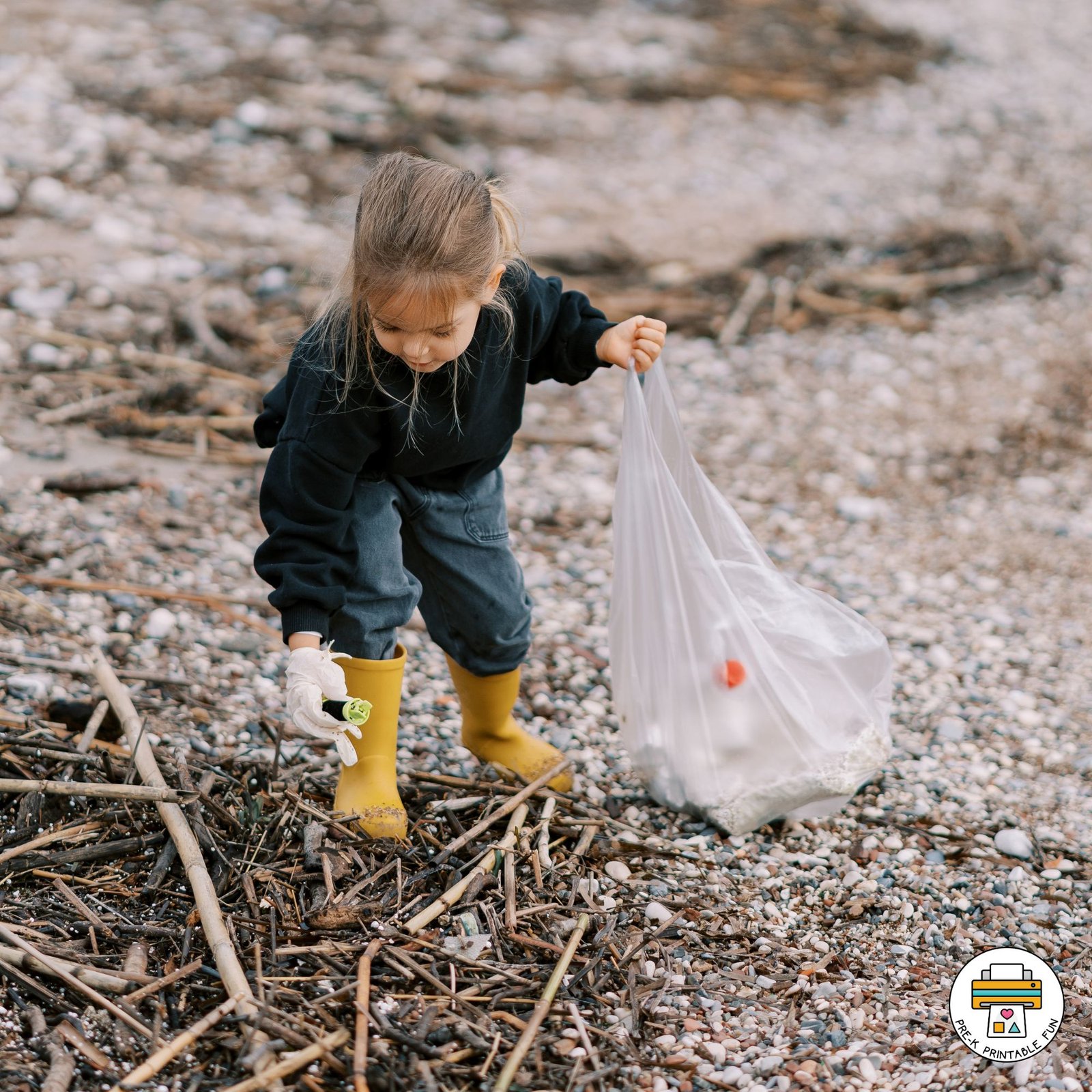
6. Brainstorm ideas with the students about what they can do to keep the ocean clean, such as reducing plastic use, recycling, and picking up trash on the beach.
7. Provide opportunities for students to share their own ideas and experiences related to environmental conservation.
8. Offer praise and positive reinforcement for students who participate actively in the discussion and show empathy towards sea creatures.
Teacher Tips for Differentiated Instruction:
– Provide visual aids or pictures to support students who may struggle with understanding the concept of pollution.
– Use simple language and encourage students to express their thoughts and ideas freely.
– Offer guidance and support to students who may have difficulty adding the food coloring drops or interacting with the sea creatures.
– Encourage teamwork and collaboration by assigning roles to different students (e.g., one student adds the food coloring, another observes the sea creatures’ reactions, etc.).
– Adapt the activity based on the students’ interests and abilities, such as incorporating storytelling or creative art projects related to ocean conservation.
