


Activity Instruction Page
💡 Tip: When the print window opens, change the destination dropdown to ‘Save as PDF‘ to download this guide.
Practice Nocturnal Animal Movements
- Activity Type: Hands-On Activity
- Theme: Nocturnal Animals
- Learning Center: Physical Development & Health
Get ready to move like your favorite nocturnal animals! In this exciting activity, preschoolers will have a blast practicing different animal movements while pretending to be owls, bats, and more. Not only will they have fun, but they’ll also develop gross motor skills as they crawl, flap, and hop around like real nocturnal creatures.
Materials & Direction
Materials List:
– Open space for movement
– Pictures or toys of nocturnal animals such as owls, bats, moths, etc.
Preschool Learning Objectives:
1. Develop gross motor skills through various animal movements.
2. Understand the concept of nocturnal animals and their behaviors.
3. Enhance imagination and creativity through pretend play.
4. Build social skills through group movement activities.
Preschool Teacher Instructions:
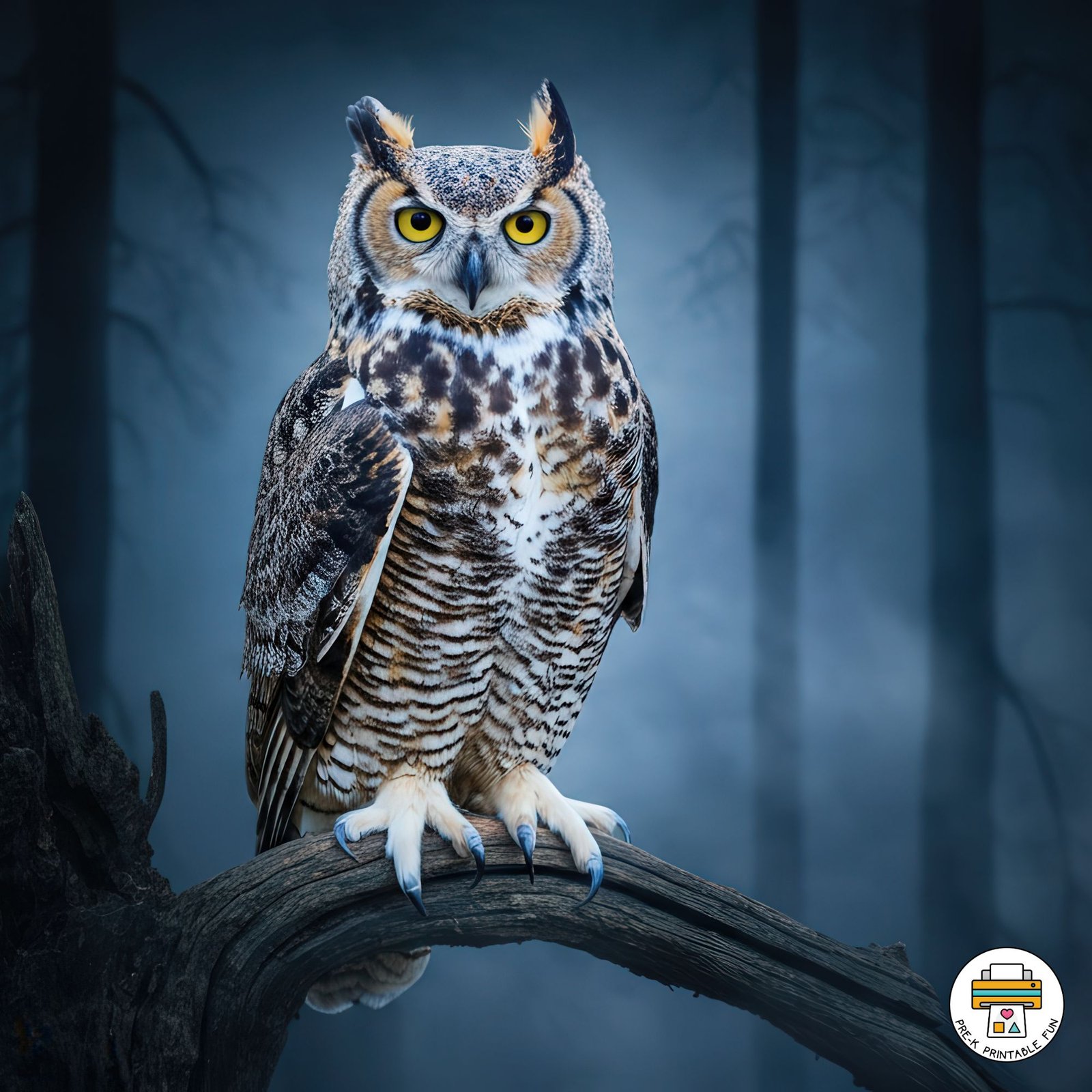
1. Begin by introducing the concept of nocturnal animals to the children. Show them toys or pictures of owls, bats, moths, and other nocturnal creatures. Discuss how these animals are active at night and the types of movements they make.
2. Clear a space for movement and have the children stand in a circle. Explain that they will be pretending to be different nocturnal animals and practicing their movements.
3. Call out a specific nocturnal animal for the children to mimic. For example, “Let’s all flap our wings like owls!” Encourage the children to move around the space while making the appropriate animal movements.
4. Continue calling out different nocturnal animals for the children to imitate, such as hopping like a rabbit, crawling like a spider, or fluttering like a moth.
5. For differentiation, provide support for children who may need guidance with the movements. Encourage peer modeling and offer visual cues to help them understand and mimic the animal movements.
6. To assess the children’s understanding and engagement, observe their ability to imitate the movements of different nocturnal animals. Look for enthusiasm, creativity, and coordination in their movements.
7. Encourage the children to take turns calling out nocturnal animals for their peers to mimic. This promotes leadership skills and allows every child to participate actively in the activity.
8. Conclude the activity by discussing the different movements they practiced and reinforcing the concept of nocturnal animals. Encourage the children to share their favorite animal movements and what they learned from the activity.
