




Activity Instruction Page
💡 Tip: When the print window opens, change the destination dropdown to ‘Save as PDF‘ to download this guide.
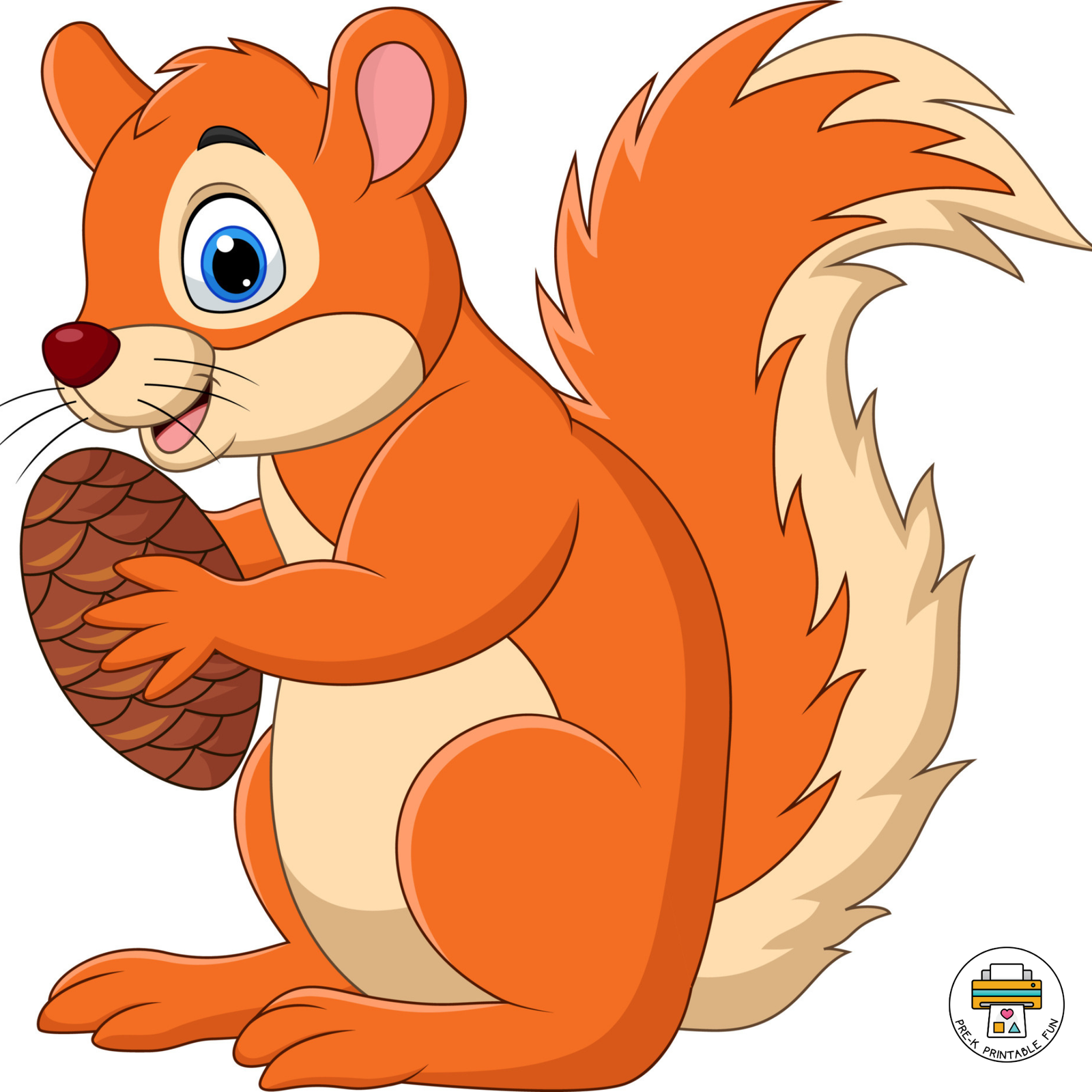
Squirrel Movement
- Activity Type: Hands-On Activity
- Theme: Season: Fall, Squirrels & Acorns, Woodland Forest Animals
- Learning Center: Physical Development & Health
Pretend to be a squirrel! Shake your tail, eat with your paws, dig for nuts.
Materials & Direction
Materials List:
– Large open space for movement
– Squirrel costume or accessories (optional)
– Nuts (real or fake)
– Music player for background music (optional)
-Books or background information on squirrels
Preschool Learning Objectives:
1. Physical Development: Children will practice gross motor skills by imitating squirrel movements such as shaking their tail, eating with their paws, and digging for nuts.
2. Imagination and Creativity: Children will engage in imaginative play as they pretend to be squirrels, enhancing their creative thinking skills.
3. Following Directions: Children will listen and follow instructions from the teacher on how to move and act like a squirrel.
Preschool Teacher Instructions:
1. Begin by introducing the activity to the children and explaining that they will be pretending to be squirrels. Read a book about squirrels or have a conversation to ensure knowledge of squirrel behaviors.
2. Encourage the children to stand up and move to a large open space where they have room to move freely.
3. Demonstrate different squirrel movements for the children to imitate, such as shaking their tail, eating with their paws, and digging for nuts.
4. Play some background music to enhance the pretend play experience if desired.
5. Encourage the children to use their imaginations and fully engage in the role of a squirrel.
6. You can introduce props like nuts for them to “gather” and use as they pretend to be squirrels.
7. Provide positive reinforcement and encouragement as the children engage in the activity.
Teacher Tips for Differentiated Instruction:
– For children who may need extra support, demonstrate the movements multiple times and provide verbal prompts to help them imitate the actions.
– Encourage children who are more advanced to add their own creative twists to the squirrel movements, such as adding sounds or movements of their own.
Assessment Suggestions:
– Observe how well the children are able to imitate the squirrel movements and engage in the pretend play.
– Take note of any children who may need additional support or encouragement to participate in the activity fully.
– Encourage children to talk about their experiences pretending to be squirrels and ask open-ended questions to assess their understanding and engagement in the activity.
