


Activity Instruction Page
💡 Tip: When the print window opens, change the destination dropdown to ‘Save as PDF‘ to download this guide.
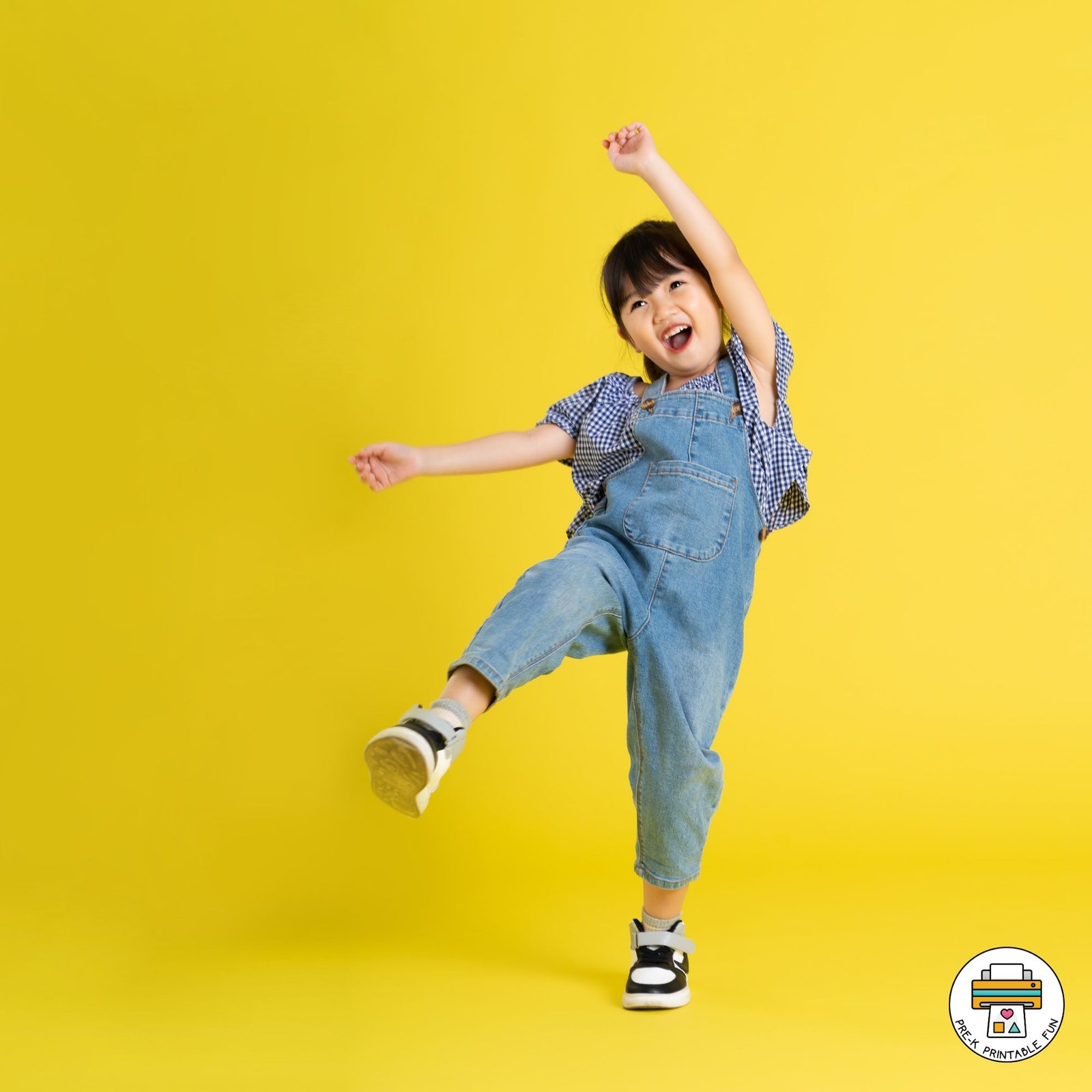
Musical Emotions
- Activity Type: Hands-On Activity
- Theme: All About Me
- Learning Center: Social Studies & Emotional Dev
Play various types of music, the children can dance, sing. Take a moment to ask the children to describe the type of emotions they felt after hearing the music.
Materials & Direction
Materials List:
– Various types of music (happy, sad, calming, energetic, etc.)
– Music player or device
– Open space for dancing
Preschool Learning Objectives:
– To identify and recognize different emotions expressed in music
– To express and communicate their own emotions through dance and music
– To develop listening skills and appreciation for different types of music
Teacher Instructions:
1. Set up the music player or device with a variety of different types of music.
2. Create an open space for the children to dance and move around freely while the music plays.
3. Play the different types of music for the children to listen to and dance along to.
4. After each song, ask the children to describe the type of emotions they felt while listening to the music. Encourage them to use descriptive words like happy, sad, excited, calm, etc.
5. Discuss with the children how different types of music can evoke different types of emotions.
6. Encourage the children to express their own emotions through dance and movement while listening to the music.
Teacher Tips for Differentiated Instruction:
– For children who may have difficulty expressing their emotions verbally, encourage them to show their emotions through facial expressions or movements.
– Provide visual aids such as pictures or drawings of different emotions to help children identify and express their feelings.
Assessment Suggestions:
– Observe the children’s reactions and movements during the activity to see if they are able to connect the music with different emotions.
– Ask open-ended questions to assess their understanding of how music can evoke different emotions.
– Encourage children to share their thoughts and feelings about the music to gauge their comprehension of the activity.
