




Activity Instruction Page
💡 Tip: When the print window opens, change the destination dropdown to ‘Save as PDF‘ to download this guide.
Zoo Animal Feelings
- Activity Type: Hands-On Activity
- Theme: Zoo Animals
- Learning Center: Social Studies & Emotional Dev
Just like people, animals express their emotions in many different ways!
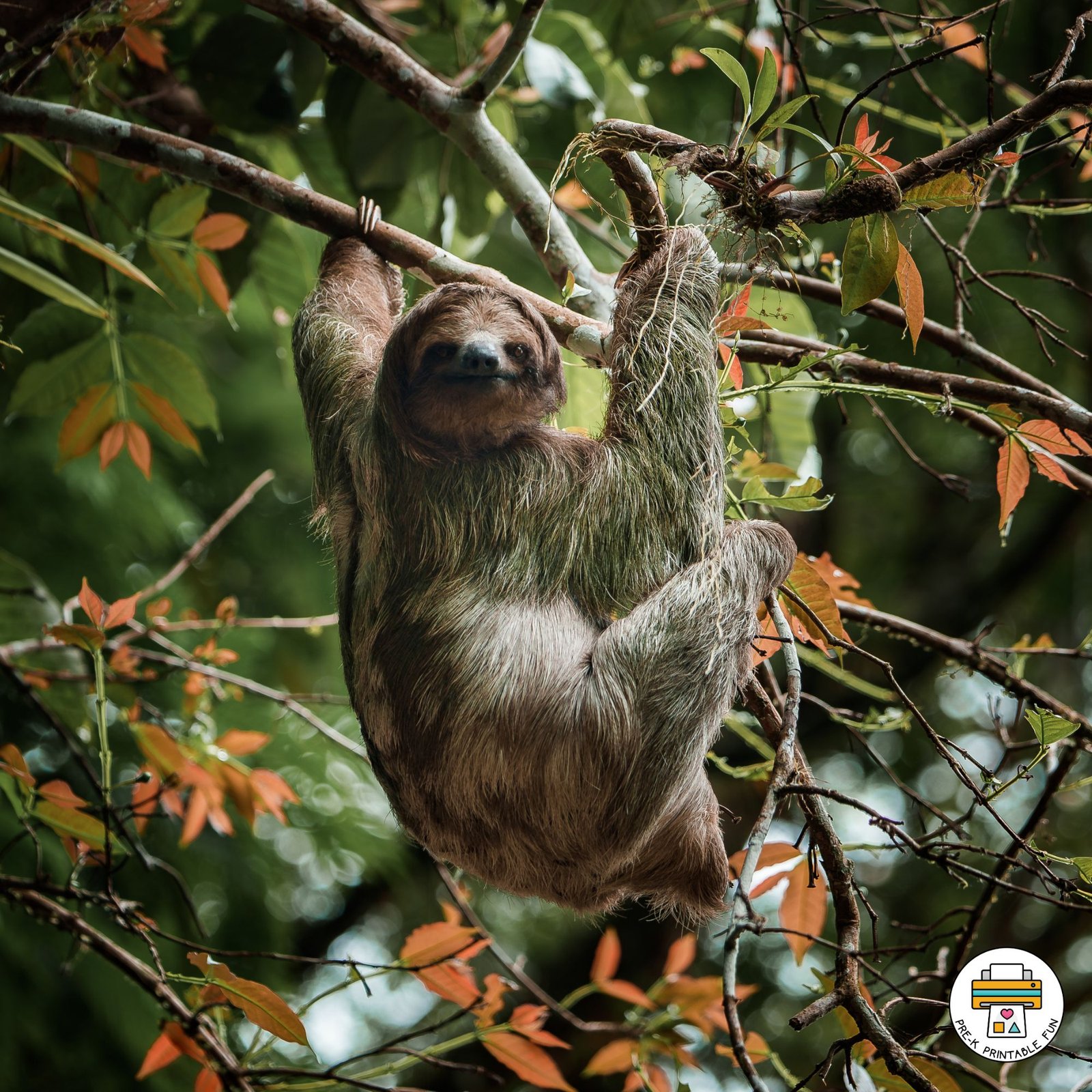
Invite children to practice expressing their emotions while pretending to be different animals. Which animal makes them think of being calm? angry? sad? and invite them to act out those feelings (in a safe way) like those animals might. Make some observations, then create a poster for your calm down space using the suggested animals. The images can give children a visual to refer to when they are having big feelings.
Materials & Direction
Materials List:
– Pictures of different animals (e.g. lion, elephant, turtle, monkey)
– Poster board or paper
– Marker or crayons
– Scissors
– Glue or tape
Preschool Learning Objectives:
1. Identify and express different emotions through animal play.
2. Develop empathy by understanding that animals, like people, have feelings.
3. Enhance self-regulation skills by recognizing emotions and learning healthy ways to express them.
4. Foster creativity and imagination through pretend play with animals.
Preschool Teacher Instructions:
1. Start by gathering the materials listed above and setting up the activity area where children can easily access the pictures of different animals.
2. Begin by discussing different emotions and how animals also experience and express these emotions in their own ways.
3. Encourage children to choose an animal picture and act out how they think that animal might express feelings such as calm, anger, or sadness.
4. After observing the children’s play, guide them to create a poster for the calm down space by drawing and cutting out images of the suggested animals.
5. Have the children glue or tape the animal images onto the poster board or paper, labeling each with the corresponding emotion.
6. Display the poster in a visible area of the classroom where children can refer to it when they need help identifying and managing their own emotions.
7. Provide Teacher Tips for differentiated instruction by offering support to children who may need assistance in choosing an animal or expressing emotions. Encourage children to use their imaginations and creativity to come up with their own interpretations of animal feelings.
