


Activity Instruction Page
💡 Tip: When the print window opens, change the destination dropdown to ‘Save as PDF‘ to download this guide.
Zoo Animal Yoga
- Activity Type: Hands-On Activity
- Theme: Zoo Animals
- Learning Center: Physical Development & Health
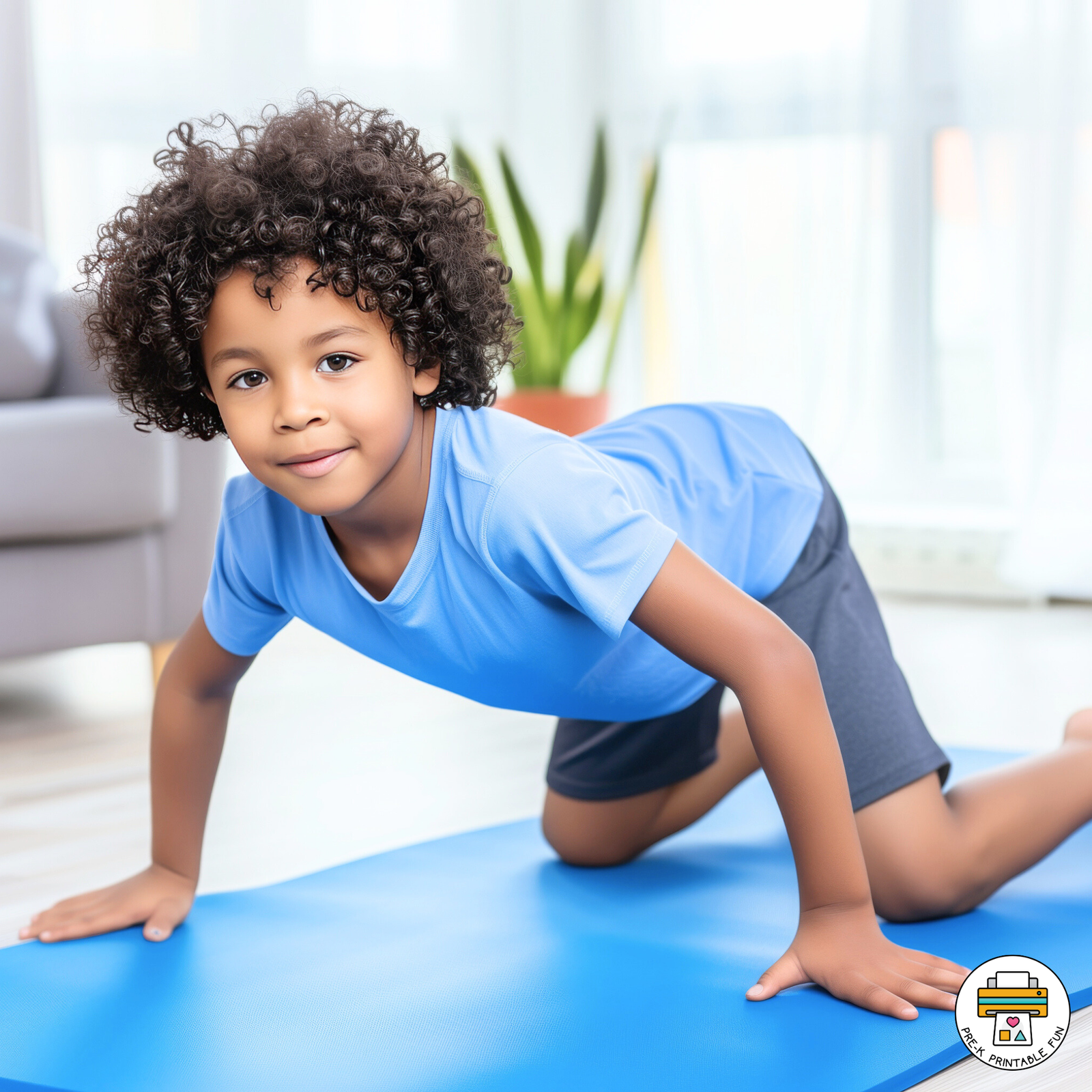
Engage your preschoolers with Zoo Animal Yoga! This fun and interactive activity incorporates movement, imagination, and learning about different animals. Perfect for preschool teachers looking to add a playful twist to their lessons.
Materials & Direction
Materials List:
– Large open space for children to practice yoga
– Yoga mats or clean towels for each child
Preschool Learning Objectives:
– To improve flexibility, strength, balance, and coordination through yoga poses
– To increase focus and concentration by following instructions for different yoga poses
– To learn about different animals and their characteristics through themed yoga poses
Preschool Teacher Instructions:
1. Begin by introducing the concept of zoo animal yoga to the children. Explain that they will be doing yoga poses based on different animals that they might see at the zoo.
2. Demonstrate and explain a few yoga poses such as “lion pose” (cat pose), “elephant pose” (downward facing dog), “giraffe pose” (tree pose), etc.
3. Have the children get into a comfortable position on their yoga mats or towels.
4. Lead the children through a series of animal-themed yoga poses, encouraging them to mimic the movements and characteristics of each animal.
5. Offer visual and verbal cues to help the children understand and correctly perform each yoga pose.
6. Encourage the children to take deep breaths and hold each pose for a few seconds before moving on to the next one.
7. For differentiated instruction, provide modifications for children who may need extra support or adaptations for certain poses. For example, offer a chair or wall for support in balancing poses, or provide alternatives for children who may have physical limitations.
8. Play calming music or nature sounds in the background to enhance the yoga experience.
9. Conclude the activity by having the children sit quietly and practice deep breathing exercises to help them relax and wind down.
10. Reflect on the activity with the children by asking them to share their favorite animal poses and how they felt during the yoga session.
